
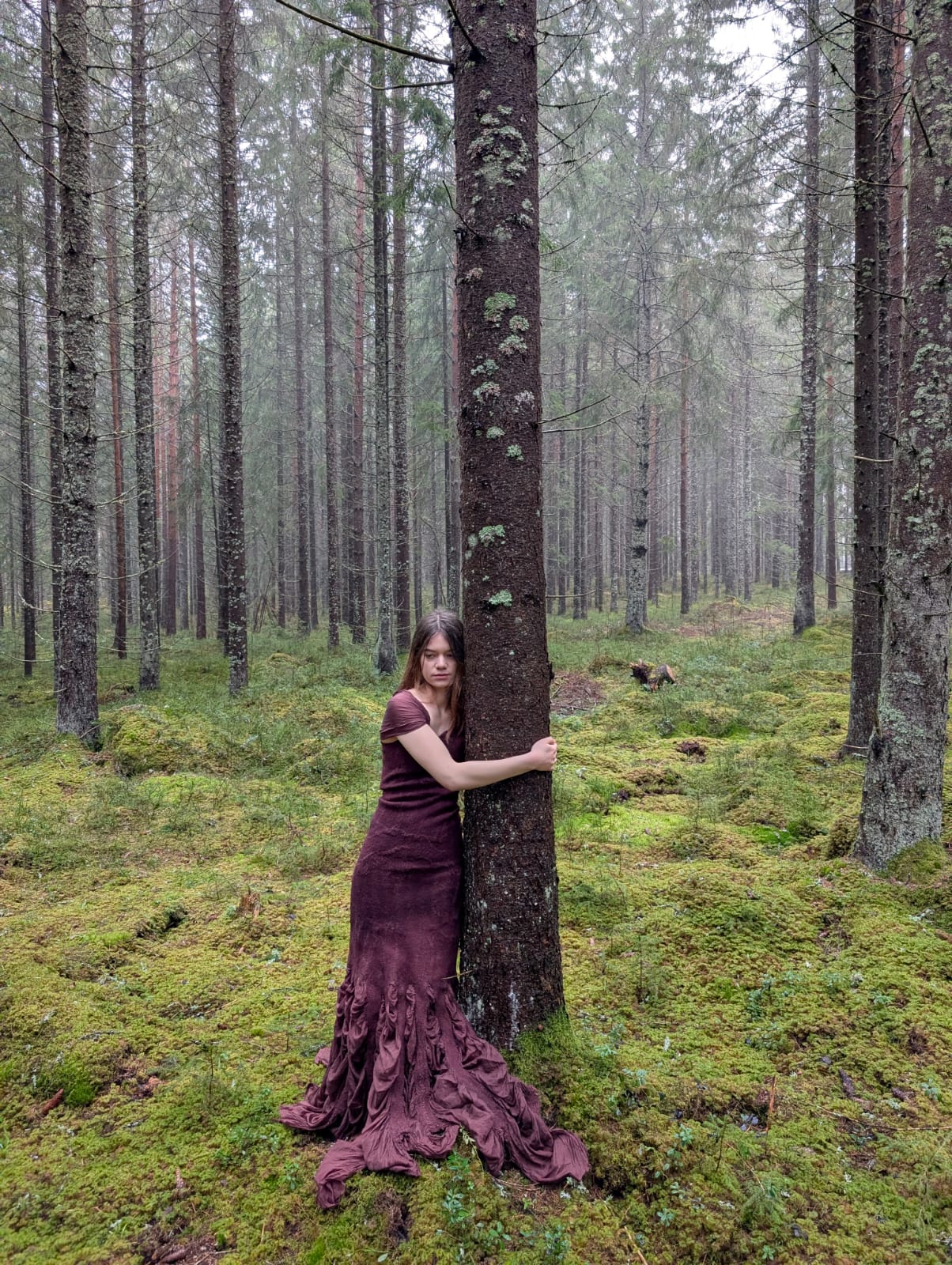
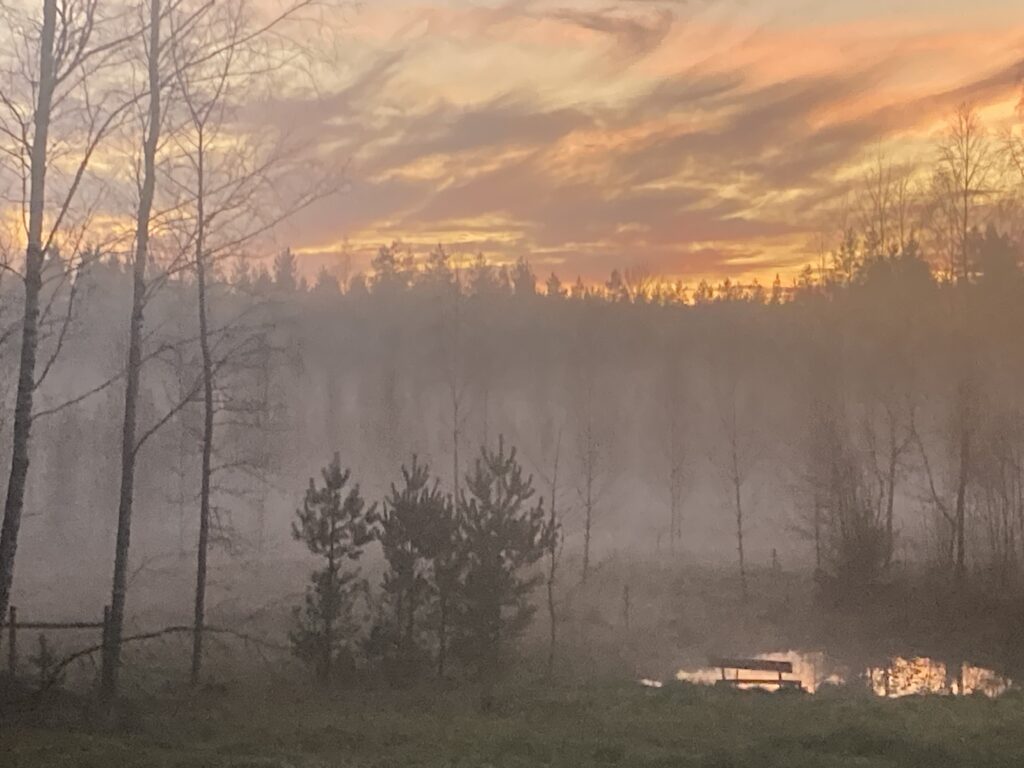
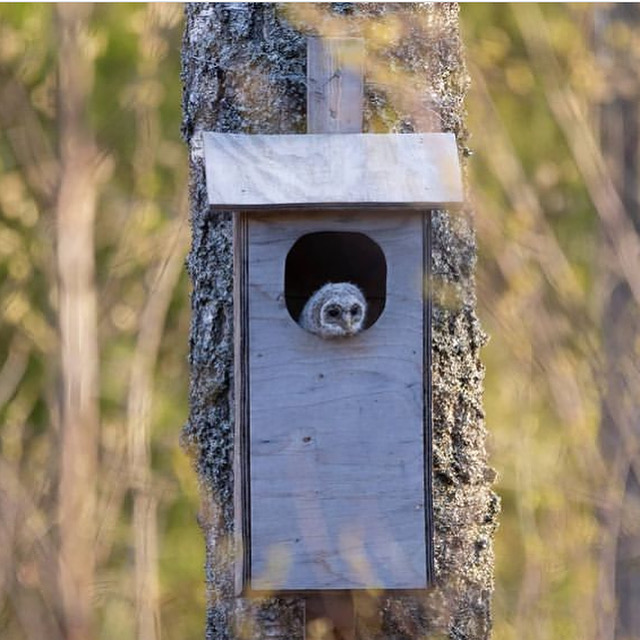
I have lived on this farm for seven years now. Most of that time I’ve been alone on the daytime, yet I rarely feel lonely. The landscape around me is always shifting: trees getting taller, animals growing older, branches falling after storms, and more flowers appearing each year as we care for the land. At night, owls call through the dark; by morning, fresh wolf tracks mark the snow, often passing right by the goat barn. (The goats are safe. we’ve arranged things so they and the wolves can live side by side without trouble.) Living here has shown me how natural it can feel to share space with the land and the animals around us.
With every new understanding, the world around me grew richer, as if each piece of knowledge revealed another layer of the land’s meaning.
What I have discovered is that nature offers more than companionship, it offers creativity and knowledge. This learning has been steady, slow, and profoundly embodied. First, I needed to understand the trees in order to take care of them properly; then I learned what flowers need in order to thrive; then the mushrooms, the insects, the animals that came to live on the farm. With every new understanding, the world around me grew richer, as if each piece of knowledge revealed another layer of the land’s meaning.
Phenomenologists describe being-in-the-world as a way of experiencing place not through abstract ideas but through the body, through touch, sound, work, and daily attention. That is precisely how this farm has taught me: step by step, gesture by gesture. Knowledge doesn’t arrive like a fact; it arrives like a shift in perception. Once learned, I suddenly see more: the hidden networks of mushrooms beneath the soil, the subtle signals plants give when the weather shifts, the way animals communicate through posture and silence. It feels as if an entire world opens itself only to the pace of patient presence. Did I search knowledge and spirituality before in books, now I know it is to be found on this specific place. The needs of this farm and this landscape, forces me in critical, creative and holistic thinking.
Living here has taught me that knowledge, caring and creativity are inseparable. To really know the world around me is to be responsible for it, and to care for it is to be changed by what I learn.
And through this slow learning, I’ve come to understand what Donna Haraway calls kinship. Not kinship in the human sense, but a wider, more entangled form of belonging with: Trees, fungi, animals, insects, soil, people, all participating in a shared fabric of living. Caring for grows in the relationship. The more I attend to the plants, the more I get to know about them. The more I understand the mushrooms, the more carefully I forage. Each interaction becomes a form of respect. The reciprocity is unintentional though highly regarded.
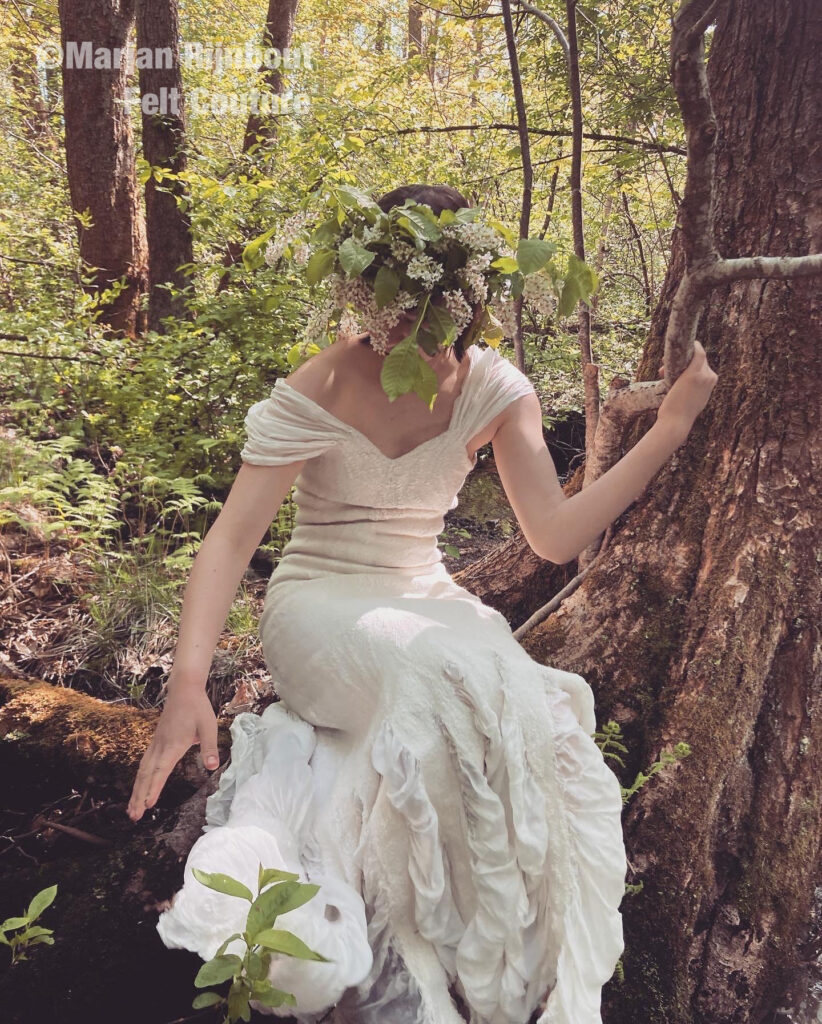
Different kinds of wood reveal different possibilities for craft, each with its own texture and temperament. Wool from nearby farms responds uniquely to natural dyes, offering wonderful textures and qualities I didn’t know to look for before. Plants and mushrooms, too, answer different questions, each pigment, each fiber teaching me something about its origins. Creativity here is not something I impose on the land; it grows out of the land, a collaboration between its intelligence and my hands. The possibilities it provides are unendless and of a quality rarely seen these days .
Living here has taught me that knowledge, caring and creativity are inseparable. To really know the world around me is to be responsible for it, and to care for it is to be changed by what I learn. In this way, each day becomes a practice of kinship, an ongoing conversation between myself, the land, crafting and the countless beings who share this world with me.
For crafting with the land immersive experiences, I offer different felting and natural dyeing events at our farm in the forest.
Leave a Reply